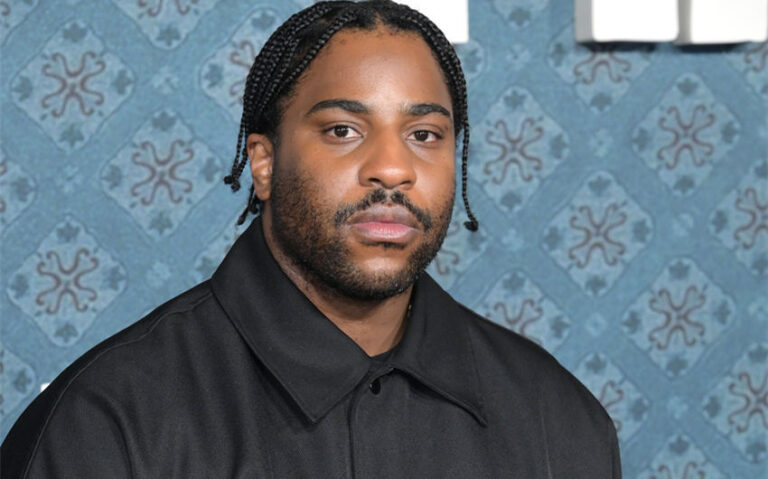
Ray J Norwood Net Worth: 2026 Estimate and Where His Money Comes From
Ray J Norwood’s net worth is most commonly estimated at around $14 million. That figure isn’t an official filing or a bank statement—it’s a public estimate based on his long-running entertainment income and his business ventures, especially in consumer tech. The interesting part of Ray J’s wealth story is that it isn’t built on one huge hit. It’s built on staying visible for decades, stacking multiple income streams, and repeatedly pivoting when one lane cools off.
Who Is Ray J Norwood?
Ray J (born William Ray Norwood Jr.) is an American R&B singer, actor, reality TV personality, and entrepreneur. He’s also the younger brother of singer and actress Brandy, which put him near the entertainment world early, but he carved out his own path through a mix of music releases, television appearances, and business projects.
Musically, Ray J is best known for hits like “One Wish,” which helped cement him as a recognizable R&B name in the 2000s. On television, he became a steady presence through reality programming, most notably VH1 projects and later Love & Hip Hop: Hollywood, where his personal life and business moves were both part of the storyline. In recent years, he’s also been known as a celebrity entrepreneur, especially through consumer electronics branding and product-driven ventures.
Estimated Net Worth
Estimated net worth: approximately $14 million (with a reasonable public estimate range of roughly $10 million to $20 million).
That range exists because a meaningful part of Ray J’s wealth is tied to business interests and private deal structures—things outsiders can’t value perfectly. If a business stake was sold, reduced, or restructured, the timing of that event can change “net worth today” versus “net worth last year.” The same goes for ongoing music royalties, which can fluctuate based on streaming performance and licensing activity.
Net Worth Breakdown
Music royalties and long-term catalog earnings
Ray J’s music career is still a real financial pillar, even if you don’t see him topping charts every year. The key is catalog value. A recognizable back catalog can generate ongoing royalties from streaming, radio play, and licensing, and it can keep paying quietly for years. “One Wish,” in particular, has the kind of staying power that helps sustain long-tail earnings because it remains one of his signature tracks.
Music money for many artists is less about one big payday and more about consistency: a steady drip of royalties, occasional spikes when a song trends again, and periodic licensing placements that can boost annual totals. That kind of “background income” is one reason Ray J can maintain a multi-million net worth even when he isn’t releasing new music constantly.
Reality television and appearance fees
Reality TV has been one of Ray J’s most reliable visibility engines, and visibility is monetizable. Reality contracts can provide solid season-to-season checks, and being a recognizable cast member can also lead to reunion pay, promotional fees, and paid appearances tied to the show’s audience.
Even more importantly, reality TV keeps a public figure relevant. That relevance supports other income streams—brand opportunities, product launches, and paid partnerships—because companies and platforms are more willing to work with someone who still commands attention. In Ray J’s case, reality TV functioned as both direct income and a marketing amplifier for everything else he was doing.
Acting and entertainment work beyond music
Ray J began working in entertainment early, including acting roles, and while acting isn’t usually the main driver of his net worth today, it contributed to his overall career longevity. For many multi-hyphenate entertainers, early acting income matters because it builds a foundation: industry relationships, name recognition, and a resume that opens doors.
Financially, this category is best viewed as “supporting revenue.” It likely helped him stack income across years when music cycles were slower and reinforced his brand as an all-around entertainment figure rather than a one-lane artist.
Consumer electronics and entrepreneurship
This is where Ray J’s net worth story gets more interesting than a typical musician’s. Over the years, he positioned himself as a product-focused entrepreneur, particularly in consumer electronics. He has been closely associated with tech branding and direct-to-consumer style products, which can be highly profitable when marketing is effective and distribution scales.
His best-known business association has been with Raycon, a consumer audio brand widely recognized for earbuds and related products. A venture like this can contribute to net worth in several ways: ownership stake value, profit distributions, paid executive or strategy roles, and the “brand equity” that allows a founder to launch additional ventures more easily.
It’s also worth noting that business stakes can change over time. If an entrepreneur reduces or exits a stake, the wealth might shift from “paper value” (ownership) to liquidity (cash or proceeds), or it might be reinvested into a new project. That’s one reason Ray J’s net worth is often described as business-driven rather than purely entertainment-driven.
Early tech ventures and product experimentation
Before Raycon became the headline, Ray J experimented with other tech and product ventures, including mobility and electronics-related projects. The financial reality of these ventures varies: some may be profitable, others may function as learning experiences, and some may primarily create attention rather than long-term cash flow.
But collectively, this pattern matters. Entrepreneurs who keep building products increase their odds of landing on a true winner. Even when a venture isn’t a permanent cash machine, it can create relationships, distribution knowledge, and branding power that improves the next launch.
Brand partnerships and paid promotion
When someone has steady public recognition, brand deals tend to show up—especially if they have a strong social following and reality TV visibility. Paid partnerships, endorsements, and sponsored content can generate meaningful annual income, even if individual deal terms aren’t public.
For Ray J, this category likely acts as an “income booster.” It won’t usually be bigger than a major business stake or a strong TV contract, but it can be highly profitable because it often requires less time than producing an album or filming a full season of television.
What can shrink the net worth number: taxes, overhead, and volatility
One reason celebrity net worth figures are often overestimated is that people focus on gross income, not what’s kept. Entertainment money comes with management and agent fees. Business ventures come with operating costs, marketing spend, returns, and staffing. Taxes take a large share of both income and capital gains. If legal or personal issues create additional costs, that can also affect liquidity and asset planning.
This matters for Ray J because his career has involved multiple lanes. Multi-lane careers can build wealth faster, but they also come with multiple forms of overhead. The net result can still be very strong—just less “straight line” than a simple salary-based fortune.