Nina Totenberg’s Husband David Reines: Surgeon, Love Story, and Life Together Today
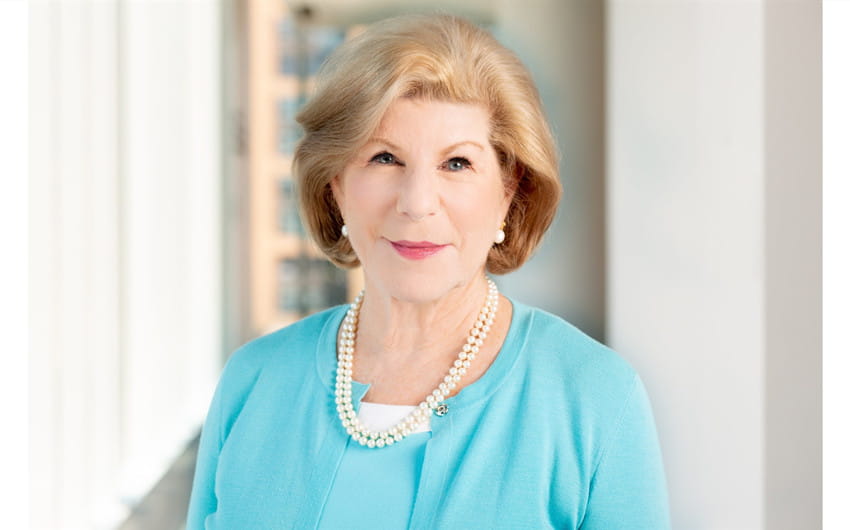
Nina Totenberg’s husband is Dr. H. David Reines, a respected trauma surgeon whose life intersects with hers in a surprisingly human way—through loss, second chances, and a marriage rooted in calm partnership rather than spotlight. While Totenberg is famous for covering the U.S. Supreme Court with precision and bite, Reines has spent his career in high-stakes medicine, where decisions are fast, pressure is constant, and steady nerves matter. Together, they’ve kept their relationship mostly private, but a few well-known moments reveal what their life is really like.
Quick facts about Nina Totenberg’s husband
- Name: Dr. H. David Reines (often listed as Howard David Reines)
- Known for: Trauma and acute-care surgery
- Spouse: NPR legal affairs correspondent Nina Totenberg
- Married: 2000
- Wedding officiant: Justice Ruth Bader Ginsburg
- Work: Widely described as a trauma surgeon; associated publicly with leadership roles in hospital surgery departments
- Public profile: Low-key; appears mainly in connection with Totenberg’s personal stories and major public events
Who is Dr. H. David Reines?
Dr. H. David Reines is best known publicly as Nina Totenberg’s husband, but his own identity is anchored in medicine. He is widely described as a trauma surgeon, which is not a glamorous title in the way Hollywood makes some careers glamorous. It is demanding, gritty work built around emergencies, long hours, and the responsibility of keeping people alive in their worst moments.
Trauma surgery also shapes a person’s temperament. In many jobs, stress is annoying. In trauma care, stress can be fatal if it clouds judgment. The people who do this work well tend to be focused, direct, and calm under pressure. That doesn’t mean they’re emotionless; it means they’ve trained themselves to think clearly in chaos. That quality comes up again and again when people talk about Reines—especially in the way Totenberg has described him during major moments in their life.
Another reason he has remained somewhat “mysterious” online is simple: he has never appeared to chase fame. He married a woman with a public-facing career, yet he kept his own presence restrained. He’s a professional with a demanding vocation, and he seems to treat his personal life as something worth protecting.
How Nina Totenberg and David Reines met
People often assume public figures meet partners in predictable ways—at events, on sets, through managers, or in the same industry. Totenberg and Reines have a different kind of story. Their connection is often described as a second-chapter love story that emerged after both had endured major loss.
Nina Totenberg was previously married to Floyd K. Haskell, a U.S. Senator from Colorado. Their marriage lasted for years, and Haskell died in 1998. Reines also experienced the loss of a spouse. That shared experience—grief that changes your life and rearranges your future—became part of the emotional language they understood in each other.
When two people meet in that context, the relationship often develops differently than a young romance. There tends to be less performance and more honesty. The conversation isn’t about “who do you want to be someday?” so much as “who are you now, after everything you’ve lived through?” Their relationship is widely remembered as a bond built on that kind of truth.
Marriage in 2000 and a wedding with Ruth Bader Ginsburg
Totenberg and Reines married in 2000, and one detail has become famous enough to feel almost legendary: Justice Ruth Bader Ginsburg officiated their wedding. That isn’t a casual wedding anecdote. It signals how close Totenberg and Ginsburg were, and it also shows that Reines was part of that personal circle.
For years, Totenberg’s relationship with Ginsburg was discussed as one of journalism’s most fascinating friendships—warm, candid, and unusually personal for a reporter covering the Court. The fact that Ginsburg performed the ceremony made it clear that the connection went beyond professional respect.
Reines, as Totenberg’s spouse, naturally became part of that orbit. In public retellings of their family friendship, he often appears not as a background extra, but as a steady presence—someone who could be trusted in intimate moments when health, age, and vulnerability were real factors.
The honeymoon incident people still talk about
Some personal stories become public because they are too dramatic, too specific, or too oddly symbolic to disappear. In Totenberg and Reines’ case, one of the most talked-about moments from their early marriage happened during their honeymoon, when Totenberg was seriously injured by a boat propeller while swimming.
It’s a shocking detail, but it also reveals something about their life together. Reines treated her injuries—because that is what surgeons do, even when the “patient” is the person they love most. The story gets repeated because it sounds like a movie scene, but it also hints at how their partnership works: practical, calm, and rooted in competence during crisis.
For many couples, early marriage is about dreamy expectations. For them, it was also about reality arriving fast and requiring immediate action. People remember this story because it reflects both the unpredictability of life and the unique nature of being married to someone trained to take control in emergencies.
What his medical career likely means inside their home
A top-level journalist and a trauma surgeon share a common problem: neither job shuts off neatly at the end of the day. Reporting on the Supreme Court isn’t just about writing; it’s about relationships, institutional knowledge, legal nuance, and constant vigilance. Trauma surgery is built around unpredictable calls and life-or-death decisions.
In a household like that, the rhythm of “normal” is different. Dinner plans can shift. A quiet evening can be interrupted. A stressful day can follow a person into the next morning. The emotional load is real, even when both people are used to functioning under pressure.
That’s why observers often describe Totenberg and Reines as deeply private. Privacy becomes less about secrecy and more about sanity. When both partners operate in demanding environments, the home has to be a place where they can breathe without an audience.
Why he stays mostly out of the public eye
There is a certain type of internet curiosity that assumes every spouse of a well-known person must be “known” too. But in real life, many spouses want none of it. In Reines’ case, there are several practical reasons that fit his profession and his personality.
- Medicine values discretion. A surgeon’s career depends on professionalism and trust.
- His work is already high pressure. Not everyone wants extra attention layered onto that.
- Public life can distort private moments. When your partner is a recognizable voice in news, boundaries matter.
- He doesn’t need visibility to succeed. His credibility comes from competence, not from followers.
In other words, the lack of constant public content doesn’t mean he is absent. It likely means the couple has chosen a healthier boundary than many public families manage to keep.
The role he played in Totenberg’s friendship with Ruth Bader Ginsburg
One of the most distinctive parts of Totenberg’s public life is her close friendship with Justice Ginsburg. That friendship became even more meaningful as Ginsburg grew older and faced repeated health challenges. In that context, a trauma surgeon in the inner circle is not a random detail.
When someone is aging and dealing with serious medical realities, it helps to have trusted people around who understand what’s happening and can provide calm support. Reines’ background would naturally make him someone others could lean on in difficult moments, not just medically, but emotionally—because he’s trained to remain steady when things are uncertain.
This doesn’t mean he was acting as anyone’s doctor in a formal sense. It means he had the kind of presence that can be comforting when you’re watching someone you love become physically fragile. Many families have a “steady one” during hard times. In this story, Reines is often described as part of that steadiness.
How his story contrasts with Nina Totenberg’s first marriage
It’s difficult to talk about “Nina Totenberg’s husband” without acknowledging that she has had two significant marriages. Her first marriage, to Senator Floyd K. Haskell, connected her to political life in a very direct way. It was a partnership built around public service, policy, and the unique demands of being linked to a national political figure.
After Haskell’s death, Totenberg’s life shifted into a different kind of chapter. Her marriage to Reines still includes public elements—because she is a public figure—but it is built around a more private profession. A surgeon’s influence is deep, but it doesn’t require public performance. In many ways, that difference may have been a relief: less ceremony, more substance, less political noise, more personal quiet.
That contrast helps explain why people view her second marriage as a “steady harbor” marriage. It reads like a relationship that grew from maturity and loss, and it appears to be centered on companionship rather than status.
What people often get wrong about Nina Totenberg’s husband
Because Reines is not constantly visible, misinformation can spread easily. You’ll sometimes see websites confidently stating details that aren’t consistently verified, or mixing up professional titles, locations, and timelines. That’s common when someone’s public footprint is light.
The safest “facts” are the consistent ones: he is a trauma surgeon, he married Nina Totenberg in 2000, and Ruth Bader Ginsburg officiated their wedding. Beyond that, it’s wise to treat overly specific claims with caution unless they come from clear, reliable reporting.
In a way, the confusion itself reinforces what seems true about him: he has built a life where the work speaks louder than the publicity.
Why their marriage still fascinates people
Public curiosity about Totenberg’s husband isn’t only about celebrity. It’s about narrative. Their marriage has recognizable themes that resonate with ordinary readers:
- Love after loss. They found each other after grief, not before hardship.
- Two high-pressure careers. Their partnership blends law-and-politics journalism with emergency medicine.
- A historic connection. Their wedding is linked to Ruth Bader Ginsburg in a deeply personal way.
- Privacy with purpose. They share just enough to feel real without turning life into content.
Those elements combine into a story that feels both extraordinary and relatable. Most people know what it’s like to want stability. Many know what it’s like to lose someone. Some know what it’s like to rebuild a life you didn’t plan to rebuild. Their relationship speaks to that emotional reality, even if the professional details are unique.
The takeaway: a grounded partner behind a very public voice
Dr. H. David Reines is not famous for being famous. He is known because of who he married, yes, but his identity stands on its own: a trauma surgeon whose world is built around responsibility, calm, and decisive action. As Nina Totenberg’s husband, he appears to be the kind of partner that makes a demanding public life sustainable—steady during crises, respectful of privacy, and comfortable staying out of the spotlight.
When people ask about Nina Totenberg’s husband, they’re often really asking what kind of person can match a sharp, high-profile journalist who lives in the pressure cooker of Supreme Court news. The answer, based on what’s publicly known, is simple: someone who understands pressure at a different level, values discretion, and builds a relationship on maturity rather than noise.
image source: https://www.prnewswire.com/news-releases/kattens-international-womens-day-event-featured-nprs-nina-totenberg-301499613.html