Louis Zamperini’s Wife: Cynthia Applewhite and a Marriage That Changed Everything
If you’re searching Louis Zamperini wife, you’re likely looking beyond the headlines of survival and heroism to understand the woman who shared his life after the war. Louis Zamperini’s wife was Cynthia Applewhite, and their marriage became a turning point not only for Zamperini’s personal healing but for the legacy he would leave behind. Their story is not a simple love story—it is one shaped by trauma, perseverance, faith, and forgiveness.
Who Was Louis Zamperini?
Louis Zamperini was an Olympic distance runner who competed in the 1936 Berlin Games before serving in the U.S. Army Air Forces during World War II. After surviving a plane crash in the Pacific Ocean, he spent weeks adrift at sea and then endured years of brutal captivity as a Japanese prisoner of war. His survival story later became widely known through the book and film Unbroken.
But Zamperini’s return home did not mark the end of his struggle. Like many veterans, he carried the psychological scars of war with him. Nightmares, anger, and alcoholism followed him into civilian life, threatening his relationships and sense of purpose. It was during this turbulent period that Cynthia Applewhite entered his life.
Who Was Louis Zamperini’s Wife?
Louis Zamperini’s wife was Cynthia Applewhite, whom he married in 1946. She is often described as calm, principled, and deeply committed—qualities that proved crucial during the most difficult years of their marriage.
While Louis became known worldwide for his endurance and forgiveness, Cynthia’s role was quieter but no less significant. She was not a public figure or speaker, but her presence and decisions profoundly shaped the direction of Zamperini’s life after the war.
How Louis Zamperini Met His Wife
Louis and Cynthia met in early 1946, not long after Zamperini returned from the war. Their relationship developed quickly, and they married later that same year in Los Angeles. At the time, Zamperini was being celebrated as a war hero, yet he was privately struggling to adjust to peacetime life.
The speed of their courtship reflected both the urgency of the era and Zamperini’s desire to build a future after years of uncertainty. However, the emotional weight he carried into the marriage soon made itself felt.
Marriage and Early Challenges
The early years of Louis and Cynthia’s marriage were marked by intense hardship. Zamperini’s unresolved trauma manifested in severe nightmares, emotional volatility, and heavy drinking. These struggles created fear and instability at home, pushing their relationship to the brink.
At one point, Cynthia seriously considered divorce, believing that her marriage might not survive the toll of Zamperini’s untreated trauma. This period is often overlooked in simplified retellings of his life, but it is essential to understanding the depth of their story. Zamperini’s greatest battle did not occur during the war—it occurred afterward, within his own home.
Faith and Transformation in Their Marriage
The defining moment in Louis and Cynthia’s marriage came in 1949, during a Billy Graham crusade in Los Angeles. Cynthia attended first, seeking hope and clarity at a time when her marriage felt beyond saving. After her experience, she returned home changed and decided not to proceed with divorce.
Shortly afterward, Louis attended the same crusade and experienced a profound spiritual transformation. He later described this moment as the beginning of his healing. He stopped drinking, found peace from recurring nightmares, and began to rebuild his life with a renewed sense of purpose.
This transformation did more than change Zamperini personally—it saved their marriage. Faith became a shared foundation, reshaping their relationship and allowing them to move forward together rather than apart.
Family Life and Children
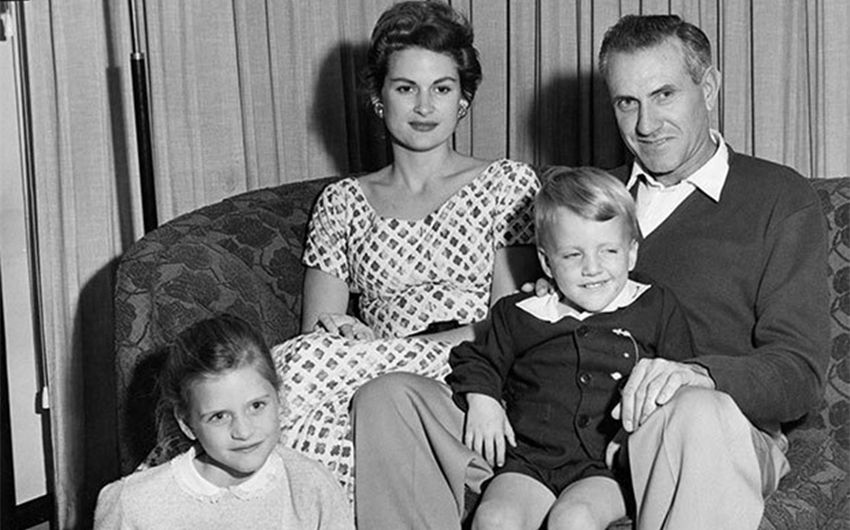
Louis and Cynthia Zamperini had two children, a daughter named Cynthia (often called “Cissy”) and a son named Luke. Following Louis’s transformation, family life became more stable and nurturing, offering their children a very different home environment from the one Cynthia had once feared would be impossible.
While Zamperini’s public life involved speaking engagements and outreach, home remained a place of grounding. Cynthia managed the quieter work of maintaining stability while Louis devoted himself to helping others through his story.
Life Together After Healing
After his conversion, Louis Zamperini entered a new chapter as a motivational speaker and advocate for forgiveness. He traveled widely, sharing his experiences with schools, churches, and organizations around the world. His message centered on resilience, reconciliation, and the power of letting go of hatred.
Throughout this period, Cynthia remained his partner behind the scenes. A life of constant travel and public attention requires flexibility and emotional strength, and Cynthia provided both. Their marriage evolved from one defined by crisis to one marked by shared purpose.
Their later years together were quieter, grounded in faith, family, and service. Zamperini often credited his wife for standing by him when he was at his lowest, acknowledging that his second chance at life would not have been possible without her.
Cynthia Applewhite’s Legacy
Cynthia Applewhite Zamperini passed away in 2001 after more than five decades of marriage. Louis Zamperini remained devoted to her memory for the rest of his life, often speaking of her influence with gratitude and respect. When he died in 2014, many tributes referenced Cynthia as an essential part of his journey.
Her legacy lies not in public recognition but in the quiet strength that helped transform a broken man into a symbol of forgiveness and hope. Cynthia did not erase Zamperini’s trauma, but she played a crucial role in creating the conditions for healing to begin.
Featured Image Source: x.com